
Our Recent Blog Post
Discover insights, trends, and practical tips in our latest blog post. Stay updated with fresh ideas and expert perspectives from our team.
- Free ConsultationHave questions about buying, selling, investing, or renting property in Thailand? Our experienced team is ready to provide professional advice tailored to your needs. Contact us today for a free consultation and discover the best real estate opportunities in Thailand.
- Rent or Lease PropertyWhether you are searching for a rental property or want to lease out your apartment, house, or commercial space, we are here to help. We connect property owners and tenants with reliable solutions and professional support at every stage. Contact us to find the right rental opportunity in Thailand.
- Sell Property in ThailandLooking to sell your property quickly and securely? Thai Grant Property provides professional valuation, effective marketing, and full transaction support to help you achieve the best result. Get in touch with our team for a smooth and transparent selling process.
- Buy Property in ThailandFind your ideal home, investment property, or vacation residence in Thailand with the support of experienced real estate professionals. We offer personalized property selection, full legal assistance, and access to the latest listings across Pattaya and beyond. Contact us today and let us help you make a safe and profitable investment.
- What is a Condominium under Thai law?
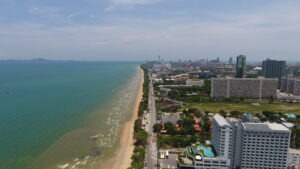 – According to the Condominium Act (the Joint Ownership Houses Act), a condominium is defined as a building comprising individual and jointly owned property, divided into units that can be sold to individuals or groups for private ownership. Condominium owners own the land on which the condominium is located through a legal entity that represents all the condominium owners.
 - Can I buy or sell real estate in Thailand remotely?
 – Yes. Anyone wishing to buy or sell property, including foreigners, can do so through an authorized representative who will represent them at the Land Department. To do this, a power of attorney in the established form must be prepared in Thai or in your home country with official translation from the embassy. Clients often ask whether having a spouse affects the process of buying or selling real estate? -If you want to buy real… Read more: Can I buy or sell real estate in Thailand remotely?
 - Can I take money out from Thailand after selling my property?
 – Regarding the actual withdrawal, you can take not more than the amount indicated in the official document confirming the funds from selling your property. To transfer the money abroad, you will need to bring to the bank the document confirming the money income, your Thai bank account information, and your passport.
 - Can a foreigner acquire land in Thailand by registering it under a Thai company?
 – One method foreigners can use to acquire land is to establish a company in which Thai nationals hold the majority of the shares. In this case, special mechanisms are in place to protect the interests of minority foreign shareholders. However, a foreigner cannot own more than 49% of the company’s shares.
 - Can a foreigner inherit condominium ownership?
 – Yes, if the apartment is in a foreign quota or can be transferred to one. If not, it must be sold within one year of inheritance.Important: To simplify the inheritance process, it’s best to have a will drawn up in Thailand by a Thai lawyer. This will greatly simplify the process and reduce the time.
 - What are the maintenance fees used for?
 – Annually collected maintenance fees are used to maintain the condominium building and grounds, including security, cleaning, and garbage collection. The fee is collected in advance, usually once a year and is calculated at a fixed amount per square meter per month. However, these fees do not cover major repairs or unexpected damage to the building and grounds.
 - What is a chanot?
 – A chanot is a title deed confirming ownership of real estate located in Thailand. It is issued only by local land departments. A chanot contains all the details about property, including a layout, as well as the names of all previous owners, from the first day of registration with the land department.
 - If I buy an apartment in a condominium, do I co-own the land that belongs to the condominium?
 If I buy an apartment in a condominium, do I co-own the land that belongs to the condominium? – The land and surrounding area of a condominium are owned by a legal entity (a Thai company), which is an association of apartment owners in the condominium.
 - What is a Sinking Fund?
 – The Sinking Fund is created immediately after the condominium is built. It is intended to cover unscheduled repairs to correct structural defects in the building that may arise during operation, as well as repairs to common areas and infrastructure. Funds from this fund may only be used with the consent of the general meeting of condominium owners.
 - What is the Thai and foreign quota?
 – The land under a condominium is owned by the condominium legal entity, meaning each condominium apartment owner is a co-owner of the land on which it is built. According to Thai law, only Thai legal entities and individuals can own land in Thailand. To ensure this requirement is met in the case of a condominium legal entity, a rule has been established: for the condominium legal entity to remain a Thai legal entity, the… Read more: What is the Thai and foreign quota?
 - Can a foreigner own a building if they don’t own the land?– Yes, they can. According to Thai law, a foreigner cannot own land, but they can own a building built on it. The land can be leased long-term or registered on a Thai company.